Lets take a look and reminisce on everything nutrition and health-related from this past year! Most of these trends I wasn’t mad about. On social media, fads often take over and spread, which can do more harm than good, but these I would say do more good than harm. Let’s review, and I will give you my thoughts if these will stick around into 2026 or fade out.
#1: Coconut Cult- Probiotic Yogurt
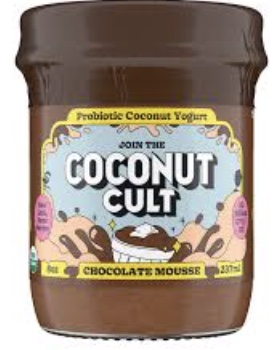
Remember this trend? I think it’s a great way to introduce more probiotics into people’s diets. These little jars in every flavor were flying off the shelves, and even knockoff brands started popping up. My honest take, though, is that this is an overpriced way to get probiotics in your day.
Coconut Cult probiotic yogurt contains about 25 billion probiotics per 2 ounce serving and uses sixteen different strains in just a couple of spoonfuls. Influencers were taking it every morning and claiming they felt amazing, their skin looked better, and their bodies felt snatched. But this small 8oz jar is going for over $10! There were even debates about whether a metal or plastic spoon was better and whether you could double-dip.
But here’s the thing. A cheaper option that’s just as effective, if not more effective, has been around for centuries: kefir. It typically has anywhere from ten billion to over fifty billion CFUs per cup and is incredibly easy and inexpensive to make at home or buy in stores. You can get 32oz for only about $6! I honestly feel like homemade kefir is going to have a major moment in 2026.
#2: Sea Moss
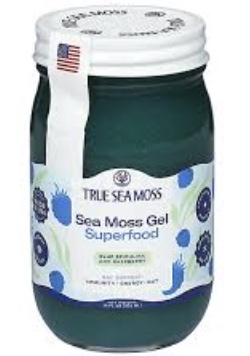
This was only one half of the infamous duo trending in 2025. A lot of people were taking Coconut Cult first and then following it with a spoonful of sea moss, all with the same big claims everyone loves to fall for weight loss, clear skin, and more energy. Sea moss is tricky. I love iodine and the role it plays in the body. You can find it in sea products like seaweed and sea moss, and in iodized salt. Iodine was originally added to salt because thyroid conditions were rising, and it helped tremendously. But now, with recent trends, people are moving away from iodized salt and using more Himalayan or natural sea salts. Because of that, they are not getting enough iodine, and data actually shows an increase in iodine inadequacy again, especially among women of reproductive age, with some reports showing rates between twenty-three and fifty-nine percent.
So taking sea moss can be helpful, especially if you are someone who does not use iodized salt and you are of reproductive age. Of course, this is not for everyone, and if you already have a preexisting thyroid condition, it is important to talk with your doctor before taking it. It may help, but it may not be appropriate depending on your specific condition.
Now here is my hot take. The ocean is loaded with pollution and heavy metals, and most sea moss brands are not yet third-party tested. The mineral content of these products is also unclear, which makes dosing difficult. When it comes in a gel, it is almost impossible to know exactly how much iodine, zinc or anything else you are getting. Therefore, it is important to do your research and know where the seamoss is farmed and how it is tested. Check for extra unneeded additives as well!
#3: Glutathione Packets
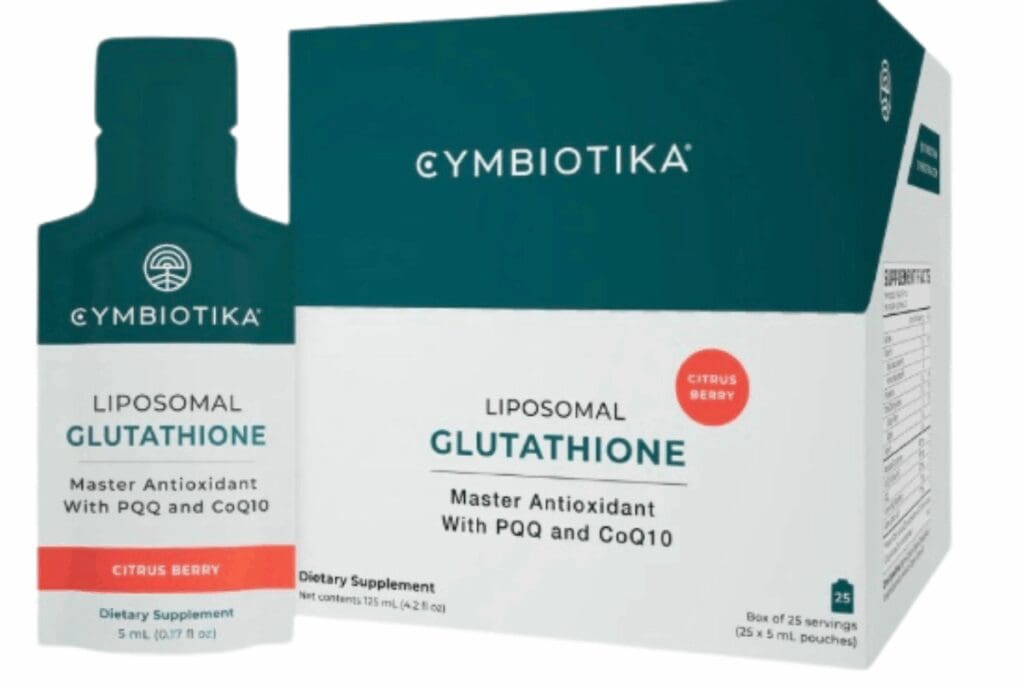
Glutathione is great for liver detox, but probably not in the way most people think. These little packets are all over social media. Influencers take them before or after an infrared sauna session, claiming it boosts detox even further. But here is my honest take. Your body already makes glutathione, and it does not really know what to do when it suddenly receives it in a packaged form. Oral absorption of glutathione is poor, so these packets end up being more of an expensive and wasteful placebo than anything else.
There are ways to support your body’s natural production of glutathione by using precursors your body can actually absorb. Several foods are rich in the building blocks your body needs, which makes them far more effective. And on top of that, these single-use packets are not sustainable and are honestly pretty wasteful. I can see people in 2026 moving away from individually wrapped packets and shifting toward bottles of liquids or gels. They are still convenient for on the go, but far less wasteful in a world that is paying more attention to sustainability.
So what is a more natural, cheaper, and less wasteful way to boost glutathione levels and support your liver detox pathways?
- Eat more sulfur rich vegetables. Broccoli, garlic, onions, and cabbage all contain the amino acid cysteine, which is one of the main precursors your body needs to make glutathione.
- Eat more avocado. It contains around 19 milligrams of glutathione, and the monounsaturated fats along with cysteine help your body actually absorb it.
- Consider supplementing with glutathione precursors like NAC and glutamine.
#4: Infared Saunas

Saunas have been around forever, so it is hard to call this a trend, but infrared saunas definitely gained a lot of popularity this past year and are now popping up everywhere. Infrared is a type of light with longer wavelengths than visible light, and we experience it as heat. Sitting in a sauna warms your body enough to make you sweat. Sweating is often thought of as a detox method, and there are trace amounts of heavy metals and toxins found in sweat. However, one study found that sweating from dynamic exercise may be more effective for removing heavy metals than simply sitting in a hot environment.
That is why I am a fan of this trend, but not necessarily for sitting still in an infrared sauna. I prefer stretching or doing a workout in the heat. Hot yoga, pilates, or places like Hotworx, where you work out inside an infrared sauna, make much more sense to me. A traditional dry sauna is also a great option and has a lower likelihood of mold buildup.
#5: Red light therapy
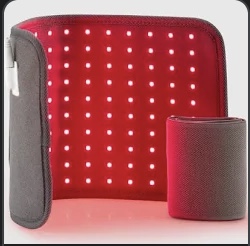
Red light should not be confused with infrared light, they are different. Red light refers to the longest wavelengths of visible light. It is thought to stimulate cellular processes that support skin health, pain relief, and healing by boosting collagen production, improving blood flow, and encouraging mitochondria in cells to produce more ATP (also known as energy). Red light is naturally present in sunlight, especially during sunrise and sunset.
If you’re looking for a cheap, affordable way to get more red light exposure, try going for a walk outside at sunrise or sunset, when natural red light from the sun is highest. As a bonus, this helps reset your circadian rhythm and can improve your sleep quality. It can also be beneficial to use red-light lamps after dark or early in the morning before sunrise. I think red light therapy is a useful tool and a promising trend, but like anything else, there is no magic pill or cure for underlying inflammation or systemic disease. It should be combined with good nutrition, regular exercise, and healthy lifestyle habits.
#6: GLP-1s and peptides
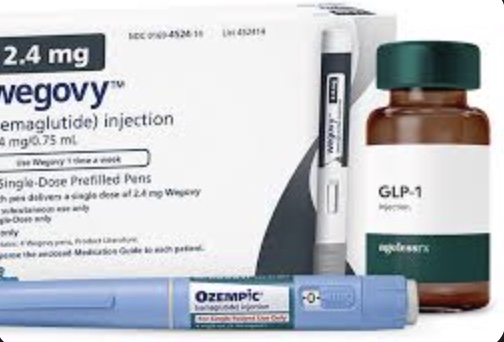
You probably are or know someone who is on a GLP-1 shot for weight loss, and it’s so popular right now because it seems to work. GLP-1 is a hormone naturally produced in your small intestine. It helps regulate appetite by suppressing glucagon (your hunger hormone) after a meal and helps control blood sugar, making you feel full.
Individuals taking GLP-1 medications often struggle with having an appetite, which can put them at risk for muscle loss and nutrient deficiencies if not managed carefully. GLP-1 secretion is strongly influenced by your gut bacteria, so supporting your gut and diversifying your microbiome can naturally increase your GLP-1 levels. Age, insulin sensitivity, and obesity can reduce GLP-1 secretion, which is why some people turn to injections.
In general, all peptide hormones popular right now need to be taken by injection directly into the bloodstream. Oral pills are usually broken down by stomach acid and digestive enzymes before they can be absorbed, which makes them ineffective. If you are interested in peptide therapy, be wary of pill forms; they are often overpriced and do not work. Make sure to talk to your doctor if peptides of any sort are right for you.
#7: Vibration Plates

Vibration plates have had their moment this year, and you have probably seen someone standing on one claiming better lymphatic drainage, faster recovery, or effortless toning. The truth is, vibration platforms can increase muscle activation slightly and may help with circulation, but the benefits are often overstated. Most studies show that while they can complement a workout, they are not a magic tool for weight loss or detox.
What I do think we will see in 2026 is a shift toward rebounding trampolines. Rebounding offers many of the same benefits people are chasing with vibration plates increased lymphatic movement, cardiovascular support, and improved balance but at a much more affordable price point. And the science behind rebounding is stronger. Jumping creates natural changes in gravitational force that stimulate the lymphatic system, support bone density, and engage more muscles than standing on a vibrating platform.
Both tools have their place, but rebounding may become the go to option for people who want real benefits without spending hundreds of dollars on a machine that mostly just shakes.