Just released

Cravings aren’t just indulgences—they’re your body sending a message about what it needs. This episode explores how to decode those signals, from low energy and nutrient gaps to stress and emotional triggers. Learn practical ways to honor cravings while supporting steady energy, balanced hormones, and overall wellness.

Key Talking Points:

  • How to enjoy your favorite foods without guilt—because satisfaction is part of health
  • Why cravings are biology + psychology, not weakness
  • Afternoon and evening cravings: blood sugar dips, stress hormones, and brain chemistry
  • Emotional cravings vs. physical cravings—how to tell the difference
  • Common cravings decoded (sugar, salt, chocolate, crunchy foods) and what nutrients or needs they point to
  • Simple tools to respond: pairing protein + fiber, magnesium for chocolate cravings, stress resets for “comfort food” nights

Ready to take the next step in your wellness journey? Discover how Sammy Peterson can help—visit our website, check out our Google listing, or connect with us on social media today!

Simply Wellness LLC

Simply Wellness LLC location in Goodyear, AZ

Simply Wellness | Instagram

Simply Wellness | Facebook

Just released

Tired of barely eating all day and running on caffeine just to push through? Your body has learned this habit—now it’s time to rewire it. Break free from the zombie slump by balancing your blood sugar and resetting your circadian rhythm. Learn how the tired wall can be reset.  

Key Talking Points:

  • Blood sugar and circadian rhythm basics
  • Meal timing and morning light
  • How movement and deep breathing affect your energy curve
  • Smart swaps for steady, all-day focus

Ready to take the next step in your wellness journey? Discover how Sammy Peterson can help—visit our website, check out our Google listing, or connect with us on social media today!

Simply Wellness LLC

Simply Wellness LLC location in Goodyear, AZ

Simply Wellness | Instagram

Simply Wellness | Facebook

Just released

If you’ve spent any time on social media, you’ve probably seen people doing parasite cleanses and showing off these long, worm-like things they’ve “excreted.” Gross? Yes. Entertaining? Also yes. The claims are big too: clearer skin, better digestion, more energy. But is it really that simple?

The reality is a little more complicated. Not all parasites are bad, and some may even play a beneficial role in your gut microbiome. Let’s weigh the pros and cons of parasite cleanses and explore an angle you probably haven’t heard before.


Story Time: Parasites in Real Life

Parasites are real, and they can cause harm. My sister caught one years ago while backpacking. We were filtering river water carefully, but our filter needed replacing. She was the only one on the trip who started having symptoms, and they were subtle at first.

She noticed her weight dropping no matter how much she ate. Eventually, she went to our naturopathic doctor and was diagnosed with parasites.

Another friend of mine went rafting in the Grand Canyon for a week. She came back with diarrhea, nausea, and no appetite. After a doctor’s visit? Yep, parasites.

So yes, parasites can cause serious symptoms. But here’s the thing: our bodies usually give us clues when something’s wrong, if we pay attention. Jumping into a parasite cleanse “just because,” or because the internet fear-mongered you into it, could do more harm than good.

That’s why I always emphasize testing first. And let’s be real, here in the U.S., with clean water and sanitation, your odds of having a serious parasite are slim to none unless you’re drinking untreated river water or traveling in areas where parasites are more common.


What Are Parasites Anyway?

Parasites are organisms that live in or on a host (that’s us) and rely on that host for survival. In humans, they can range from microscopic protozoa to larger worms.

Some definitely cause harm, think malaria or tapeworms. But others live in a gray zone. One person might carry them without a single symptom, while another experiences digestive issues, nutrient deficiencies, or fatigue.


The Surprising Truth: Not All Parasites Are Bad

Believe it or not, some parasites may actually help us:

  • Helminths & immunity: Certain intestinal worms seem to calm down overactive immune responses, which could help with allergies or autoimmune conditions.
  • Microbiome balance: Your gut is a little ecosystem. Bacteria, fungi, and yes—even parasites—may play roles in keeping things balanced. Wiping them all out might disrupt that.
  • Co-evolution: Humans and parasites have lived side by side for thousands of years. In some ways, our immune systems may even be “trained” by their presence.

chart of Pros and Cons of Parisite Cleanse

Pros & Cons of Parasite Cleanses

✅ The Pros

  • May help if you truly have a harmful infection causing symptoms like diarrhea, abdominal pain, anemia, or weight loss.
  • Certain herbs (like wormwood, black walnut, and cloves) do have antimicrobial properties.
  • Some people feel better when using cleanses alongside medical treatment.

❌ The Cons

  • Most people in developed countries don’t have dangerous parasites.
  • Cleanses can disrupt beneficial gut bacteria, leading to bloating, gas, or dysbiosis.
  • “Die-off” symptoms (fatigue, nausea, headaches) are often just microbiome disruption—not proof that worms are leaving your body.
  • Herbal blends aren’t regulated, so safety and potency vary.

A More Balanced Perspective

Instead of diving headfirst into a parasite cleanse, consider this:

  • Test before cleansing. A stool test can confirm whether parasites are there, and which type.
  • Support your gut. Probiotics, fiber, and a diverse diet naturally help keep harmful organisms in check.
  • Focus on prevention. Wash your hands, drink safe water, and cook food thoroughly.
  • Seek medical guidance. If you suspect a parasite, doctors can prescribe medications that are safer and more targeted than generic cleanses.

The Takeaway

Parasite cleanses aren’t inherently bad—but they’re definitely not the miracle solution wellness influencers make them out to be. The truth is, not all parasites are harmful. Some might even play a role in keeping your immune system balanced.

A more holistic approach is strengthening your gut ecosystem instead of trying to wipe it clean. Because sometimes, the best path to health isn’t killing everything off—it’s learning how to live in balance.


? Natural Ways to Help Clear Parasites (While Protecting Gut Health)

1. Eat More Fiber

  • Fiber keeps your digestion moving, making it harder for parasites to “stick around.”
  • Sources: chia seeds, flaxseeds, oats, beans, vegetables.
  • Bonus: fiber also feeds your good gut bacteria (prebiotics).

2. Include Antimicrobial Foods (in balance)

Some whole foods have gentle, natural antimicrobial properties:

  • Garlic
  • Pumpkin seeds
  • Papaya seeds
  • Ginger
  • Pomegranate
  • These can help create an environment less friendly to parasites—without the harshness of concentrated herbal blends.

3. Strengthen Your Gut Microbiome

A diverse, thriving microbiome is one of the best defenses against unwanted microbes.

  • Add fermented foods: kefir, sauerkraut, kimchi, miso, plain yogurt.
  • Rotate probiotics if tolerated.

4. Optimize Stomach Acid

Parasites often enter through food and water. A healthy level of stomach acid helps kill invaders before they reach your intestines.

  • Support stomach acid naturally by not drinking large amounts of water with meals, eating slowly, and including bitter foods (like arugula, dandelion greens, lemon).

5. Keep Blood Sugar Balanced

Parasites (and harmful bacteria) thrive in sugar-heavy environments.

  • Focus on protein + fiber at meals.
  • Reduce processed sugars and refined carbs.

6. Hydrate with Electrolytes

Proper hydration supports digestion and flushes out toxins. Electrolytes keep your gut muscles contracting rhythmically (peristalsis), which helps move things through.

Just released

What Is “Food Noise”?

The term food noise has been popping up everywhere lately, so let’s break it down.

“Food noise” describes the constant, intrusive thoughts about food, things like:

  • What will I eat next?
  • Should I have that snack?
  • Did I eat too much?
  • I can’t stop thinking about that dessert.

This term has become especially popular in conversations about GLP-1 receptor agonist medications (like semaglutide/Wegovy or tirzepatide/Mounjaro). Many people taking these drugs report a dramatic drop in this mental chatter, making it easier to eat based on physical hunger rather than impulse.

But here’s the thing, GLP-1 medications aren’t the only way to quiet food noise. Let’s talk about why this happens and what you can do about it naturally.

Why We Have Food Noise

Cravings are not a flaw; they’re part of our survival system. Your body is designed to signal when it needs energy, nutrients, or hydration.

If you never thought about food or never felt hunger, that would be a red flag that something is seriously wrong. That said, certain habits can turn up the volume on food noise: Let’s break down the process internally,

  1. Restricting food (physically or mentally) tells your body it’s in “scarcity mode,” triggering fight-or-flight.
  2. When your brain thinks food is scarce, it amplifies cravings to make sure you eat, and store calories for later.
  3. The more we forbid or moralize foods, the louder those thoughts become.

On the flip side, when your body knows food is always available, it doesn’t have to send constant “eat now” signals, because the food is always available and the body knows that, so it doesn’t have to stress out about it.


How to Quiet Food Noise Without Medication

1. Reframe how you think about food

If you associate food noise with guilt, loss of control, or past dieting rules, shift your mindset:

  • Think functionally: I need energy, what would feel good right now?
  • Remind yourself: food is not scarce, and nothing is “off limits.”
  • When you trust yourself around food, those thoughts become background noise instead of pressure.

2. Make food available, but not in-your-face

Train your brain to know it can have the cookie or ice cream anytime. Keep them stocked, but store them out of sight so you’re eating from true desire, not just visual cues.

If you’re craving something sweet, pause and ask:

  • Did I eat enough carbs today? Or enough calories today?
  • Am I restricting certain foods or food groups?

Give yourself permission to have a bite or a portion when you truly want it. Over time, this breaks the urgency and the mental chatter! Make sure to slow down. Savor the bite. and limit any distractions.

3. Track your progress

Seeing your wins on paper makes the change feel real. Try:

  • Keeping a tally of how many times food thoughts pop up each day.
  • Stocking a “trigger” food in the house and checking in weekly: Did I feel out of control around it? (Yes/No)
  • Noting if you ate more than you wanted because you thought, I might not get this later.

Your Goal:

  • Before: Feeling the need to eat a lot of something because “I won’t allow it later.”
  • After: Knowing the food is always available, so there’s no urgency to overeat.

How to Decrease Food Noise with Food:

What you eat can either turn down or turn up food noise. Certain foods support the same satiety pathways that GLP-1 medications do, while others help your gut produce butyrate, a short-chain fatty acid linked to better appetite regulation, reduced inflammation, and more balanced blood sugar.

1. Boost butyrate naturally

Butyrate is produced when your gut bacteria ferment fiber, especially resistant starch. It plays a big role in signaling fullness and keeping hunger hormones in check.

  • Eat more prebiotic fibers: onions, garlic, leeks, asparagus, bananas (slightly green), Jerusalem artichokes.
  • Add resistant starch sources: cooked-and-cooled potatoes or rice, oats, lentils, and beans.
  • Go for variety: aim for at least 20–30 different plant foods a week to diversify gut bacteria and improve butyrate production.

2. Support natural GLP-1 release

You can help your body naturally stimulate GLP-1 by eating:

  • Protein-rich foods (especially at breakfast): eggs, Greek yogurt, cottage cheese, chicken, fish, tofu.
  • Healthy fats: avocado, nuts, seeds, olive oil—these slow digestion and help sustain fullness.
  • Polyphenol-rich foods: berries, dark chocolate (85%+), green tea, linked to GLP-1 stimulation and improved insulin sensitivity.

3. Work with your hormones, not against them

If you menstruate, your food needs change across your cycle. In the luteal phase (roughly 10–14 days before your period), progesterone rises, your metabolism increases, and your body naturally needs more carbs and calories.

  • Sugar cravings in this phase often mean your body truly needs more fuel—especially complex carbs like sweet potatoes, oats, brown rice, and fruit.
  • Undereating during this time can spike food noise and make cravings feel uncontrollable.
  • Honor the phase by eating balanced meals with extra carbs, magnesium-rich foods (like dark chocolate, pumpkin seeds, spinach), and adequate protein.

4. Balance your blood sugar

Blood sugar spikes and crashes are a major food noise amplifier.

  • Start meals with protein + fiber to slow down glucose absorption.
  • Avoid going long stretches without eating, especially if you tend to get hangry or anxious.
  • Pair sweets with protein or fat (like having nuts with chocolate) to keep energy stable.

5. Hydrate before you assume it’s hunger

Mild dehydration can sometimes feel like food noise. A glass of water or an electrolyte drink can often quiet cravings, especially for salty snacks like chips, if your body is thirsty.


Ready to quiet your food noise for good?

This blog is just the beginning. While understanding why food noise happens is powerful, actually retraining your body and mind takes consistent action, accountability, and the right strategies for you.

That’s where coaching comes in. I’ll help you:

  • Create a personalized plan that works with your lifestyle and preferences
  • Support your body’s natural hunger and fullness cues
  • Identify hidden triggers that are keeping food noise loud
  • Build confidence around food—without restriction or guilt

Let’s turn down the mental chatter and help you eat with ease.

Book a free discovery call today to start your journey toward food peace.

Just released

Not all bio-hacks require fancy gadgets or hours of extra work. This episode makes biohacking approachable, covering simple but powerful tools—like light exposure, food timing, nervous system regulation, and recovery habits—that help listeners boost focus, energy, and longevity without adding stress.


Ready to take the next step in your wellness journey? Discover how Sammy Peterson can help—visit our website, check out our Google listing, or connect with us on social media today!

Simply Wellness LLC

Simply Wellness LLC location in Goodyear, AZ

Simply Wellness | Instagram

Simply Wellness | Facebook

Just released

“Where Health is Made Simple”


Metabolism is more than calories in and out—it’s about how your whole system is functioning. Sammy unpacks the hidden factors slowing metabolism (like stress, under-eating, and poor recovery) and gives listeners practical shifts to reset energy, hunger cues, and fat-burning potential.


Ready to take the next step in your wellness journey? Discover how Sammy Peterson can help—visit our website, check out our Google listing, or connect with us on social media today!

Simply Wellness LLC

Simply Wellness LLC location in Goodyear, AZ

Simply Wellness | Instagram

Simply Wellness | Facebook

Just released

Flat lay of sunscreen and sunglasses by a poolside, promoting UV protection and summer skincare essentials

When most people think of sun protection, they think of SPF. But what if the real secret to healthy, resilient skin starts in your kitchen?

It turns out that the foods you eat can offer powerful protection against sun damage by working from the inside out. This is not only tried and true, but also backed by emerging research in skin science and nutrition. “eating your sunscreen” is about using antioxidants in your diet to support your body’s natural defenses against UV exposure.

Let’s break down the science.


☀️ What Actually Happens When You’re in the Sun?

When your skin is exposed to ultraviolet (UV) rays from the sun, it triggers the formation of Reactive Oxygen Species (ROS). These unstable molecules wreak havoc on your cells, leading to:

  • Oxidative stress
  • DNA damage
  • Increased skin cancer risk

This DNA damage is the true root of skin cancer, not just sunburns or visible redness. When the DNA is damaged, this causes mutations that can multiply cells and cause melanoma.

While sunscreen helps block UV rays at the surface, it doesn’t neutralize the ROS created inside your body. In fact, a 2019 study found that while sunscreen prevented skin redness, it did not stop internal oxidative stress or inflammation markers in urine and blood, and sunscreen particles were even found in the bloodstream (Pelclova, 2019). Also, you may remember or already know this, but in 2022, the FDA recalled several sunscreen brands such as Banana Boat, Coppertone, and Neutrogena due to the benzene’s carcinogenic effects (AKA cancer causing!!!). Our skin is our largest organ, and it is important what we put on our skin, since our bdoies will absorb everything.

I have asked myself for years, how do skin cancer rates continue to exponentially climb despite the introduction and use of sunscreens ?. This got me thinking and researching and did you know that studies have shown a lower incidence of skin cancer in individuals with darker skin, compared to those with light skin.

So lets go into the science behind that and why…..


? Melanin: Your Body’s Built-In Defense System

Your body isn’t defenseless; we were built with a natural weapon: melanin.

Melanin is the pigment that gives skin its color, but it also acts as an internal antioxidant. It absorbs and dissipates UV radiation and helps neutralize ROS before they can cause lasting DNA damage. This is one reason why individuals with darker skin have significantly lower rates of skin cancer: their higher melanin levels offer more built-in protection from the sun’s harmful effects.

But if you have lighter skin or want to further support your skin’s defenses, there’s good news…


? You Can Mimic Melanin’s Effects With Food

Certain nutrients, especially polyphenols, vitamin C, and other antioxidants, mimic the protective, ROS-scavenging effects of melanin.

They don’t change your skin color, but they do:

  • Neutralize ROS
  • Reduce inflammation
  • Support DNA repair
  • Strengthen your skin barrier

By regularly consuming antioxidant-rich foods, you create an internal layer of defense that works alongside your external sunscreen.


? Top Foods That “Act Like Sunscreen”

Here are some of the most researched, skin-protective foods:

Green Tea & Matcha

Rich in EGCG (epigallocatechin gallate), a powerful polyphenol shown to reduce UV-induced damage and inflammation. Bonus: it may even help prevent photoaging and support DNA repair.

Dietitian tip: Combine with lemon or a vitamin C-rich food to increase the absorption of the chitins (AKA antioxidants) by over 100%

Vitamin C-Rich Fruits (Citrus, strawberries, kiwi)

Vitamin C is crucial for collagen synthesis and helps regenerate other antioxidants. It scavenges free radicals much like melanin does.

Dark Chocolate (75% or higher)

Cocoa is loaded with flavonoids that improve skin hydration, increase blood flow to the skin, and protect against UV stress.

Berries

Wild blueberries and strawberries are rich in anthocyanins, which protect cells from oxidative damage.

Borage Oil & Flowers

These provide gamma-linolenic acid (GLA), which helps maintain the skin’s lipid barrier and support healing after sun exposure.

Turmeric

A potent anti-inflammatory that may enhance your skin’s resilience and decrease sun-induced ROS.


Skin-Protecting Smoothie Recipe

Want to combine multiple skin-loving ingredients in one go? Try this refreshing and nutrient-dense smoothie:

Ingredients:

  • 1 cup brewed and cooled green tea (or 3 tsp matcha powder)
  • ½ cup frozen wild blueberries
  • ½ cup frozen strawberries
  • 1 tbsp ground flaxseeds
  • 1 tsp lemon zest or juice
  • 1 tsp borage oil
  • ½ tsp turmeric powder
  • ½ cup almond or coconut milk
  • 1 tsp honey or maple syrup (optional)
  • Handful of ice

Directions:

  1. Brew and cool your green tea.
  2. Blend all ingredients until smooth.
  3. Sip and enjoy—your skin will thank you!

?‍⚕️ Dietitian tip: For a post-sun recovery boost, add ½ cup aloe vera juice.


Final Thoughts

Eating your sunscreen doesn’t mean skipping the SPF. But it does mean supporting your skin from both the outside and the inside. Choose antioxidant-rich foods daily, wear protective clothing, and use natural mineral sunscreens with the prime ingredient being zinc oxide when outdoors.

Food is powerful. Use it to glow brighter and protect longer, naturally.

Ready to Personalize Your Skin & Body Protection?

Eating antioxidant-rich foods is a powerful first step, but everyone’s needs are different. Some of us naturally produce more oxidative stress, while others may need extra support due to genetics, lifestyle, or environment.

That’s where we come in.

At our practice, we offer Nutrigenomix® genetic testing, which is a cutting-edge tool that analyzes your unique DNA to assess:

  • Your antioxidant needs
  • Your body’s ability to handle oxidative stress
  • Your inflammation risk
  • Personalized nutrition strategies to reduce ROS (Reactive Oxygen Species) and support long-term health

This isn’t guesswork, it’s science tailored to you.

? Imagine knowing exactly which foods, nutrients, and lifestyle tweaks will help your body stay balanced, resilient, and protected from the inside out. Whether you’re aiming for better skin health, reduced inflammation, or overall wellness, we’ll give you clear, actionable steps based on your genetic blueprint.

Just released

Different types of eggs being put into a freezer

What are the health benefits of different types of eggs?

How can eggs be so different?

Are the more expensive eggs worth it?

What do the different shell and yolk colors mean?

Are white eggs or brown eggs healthier?

These might be some of the questions you’re asking yourself when buying eggs, I know I have!

Before we dive into the details, let’s go over the common terms you’ll see: Conventional, Cage-Free, and Pasture-Raised.


Conventional Eggs

Chickens are raised in battery cages, which are small wire cages stacked in large indoor facilities. Each bird has less than 67 square inches of space, which is smaller than a sheet of paper! They cannot spread their wings, perch, or nest naturally.

They’re typically fed a grain-based diet, which may include antibiotics or synthetic additives. There are no welfare certifications required unless the farm voluntarily participates in a third-party program that verifies humane animal care.

Unfortunately, there are no federal laws requiring humane treatment of laying hens. As long as the eggs are safe to eat, farms can legally use these intensive confinement systems. States like California and Massachusetts have stricter standards, but most others do not.


Cage-Free Eggs

These hens aren’t kept in cages but still live indoors in large, crowded barns called aviary systems. They’re able to walk, nest, perch, and spread their wings, but do not go outside. While this is a step up from battery cages, the space is still tight.

Also important: Cage-free eggs are not required to be checked for animal welfare unless the farm participates in a third-party certification program. This option is only worth the higher price if it includes a welfare certification or the brand uses a higher-quality feed (e.g., organic or omega-3-enriched).


Pasture-Raised Eggs

This is often considered the gold standard when it comes to buying eggs. These hens are raised with outdoor access to pasture (weather permitting) and are able to forage for bugs, seeds, and grasses. They typically have access to indoor shelter at night.

Pasture-raised hens live more naturally. However—and this is important to note that “pasture-raised” is not regulated by the USDA.

So any brand can use the term, even if the hens barely go outside.

Without a certification label, there’s no standard definition, no inspection, and no required outdoor space per bird. This term is often used as a marketing buzzword to make you think you’re making a healthier choice.


✅ What to Actually Look For

  1. Real third-party labels—not unregulated marketing terms like “natural” or “happy hens.” These claims are not regulated and are designed to sway your purchase.
  2. Trusted third-party certifications: they check the farms to make sure they are staying true to their claims
    • Certified Humane
    • Animal Welfare Approved
    • American Humane Certified
    • USDA Organic (this only covers the feed, not outdoor access—unless paired with another certification)
  3. Scan the packaging for QR codes or certification numbers. Some brands link directly to farm information so you can see how the hens are actually raised.
  4. Use the Cornucopia Institute’s Egg Scorecard.
  5. This independent scorecard ranks egg brands based on transparency and animal welfare practices.

? What About Nutrition?

The color of the egg yolk is directly influenced by the hen’s diet.

A darker orange or deep yellow yolk usually means the hen ate a more varied, nutrient-dense diet, which makes the eggs more nutrient-rich for us!

But, watch out! Some conventional systems add synthetic pigments to feed to manipulate yolk color, making it look healthier than it is.

So how do you know what you’re really getting?

→ Third-party certifications matter here too.


? Chicken Feed 101: What Are Hens Eating?

Hens can be fed a range of diets. Here’s a quick overview:

  1. Commercial Feed
    • Includes grains (corn, soy, wheat), soybean meal
    • Synthetic vitamins and minerals
    • Additives like enzymes, amino acids, antibiotics, and sometimes hormones
    • May contain GMOs and animal by-products
  2. Organic Feed
    • Same base as commercial, but:
      • No GMOs
      • No synthetic pesticides, fertilizers, or antibiotics
      • No animal by-products
      • Made with organic grains
  3. Vegetarian Feed
    • Grain-based with no animal by-products
    • A marketing term more than anything, because chickens are naturally omnivores
  4. Omega-3 Enriched Feed
    • Fortified with flaxseed, chia, fish oil, or algae
    • Increases omega-3 content in the eggs, a natural anti-inflammatory fat
  5. Pasture-Based / Foraged Feed
    • Hens eat insects, worms, grass, and seeds
    • Often supplemented with organic feed
    • This diverse diet improves the egg’s nutrient profile

? So… Are Brown Eggs Healthier Than White Eggs?

Nope. Shell color has nothing to do with quality, nutrition, or taste. It’s purely based on the breed of the chicken.

Eggshells can be:

  • White
  • Brown
  • Blue
  • Green
  • Speckled

White eggs are not bleached; they’re just laid by white-feathered hens, like White Leghorns.

Brown eggs are laid by breeds like Rhode Island Reds.


? Fun Tip:

Want to guess what color egg a hen will lay?

? Look at her earlobes!

  • White earlobes = usually white eggs
  • Red earlobes = usually brown eggs
  • (There are exceptions, of course.)

? Have More Questions About Eggs?

Drop a comment below—we’d love to hear from you and answer anything you’re still wondering!

Just released

“Where Health is Made Simple”

Sammy kicks off the show by redefining what real wellness means. Instead of punishing discipline and chasing perfection, this episode explores how burnout—not laziness—is often at the root of fatigue, cravings, and stalled health goals. Listeners learn why their bodies aren’t broken, they’re simply asking for support.


Ready to take the next step in your wellness journey? Discover how Sammy Peterson can help—visit our website, check out our Google listing, or connect with us on social media today!

Simply Wellness LLC

Simply Wellness LLC location in Goodyear, AZ

Simply Wellness | Instagram

Simply Wellness | Facebook

Just released

If you’re tired of wellness advice that feels like one more thing on your to-do list, you’re going to love what we’re doing here.

This is Simply Wellness Radio with Samantha Peterson—where feeling better doesn’t mean being perfect, it just means being more you.

Each week on the podcast, we take a real, honest look at what it means to feel good in your body, your mind, and your life. No pressure. No perfection. Just simple, supportive conversations to help you reconnect with yourself and your wellness journey.

From gut health and hormone harmony to stress, sleep, and everything in between—we cover the stuff that matters with experts, real stories, and tips you can actually use (like, today).

Whether you’re folding laundry, running errands, or finally sipping a cup of coffee alone, Simply Wellness Radio is your weekly wellness reset—with zero judgment and lots of heart.

Listen now: The Simply Wellness Show Podcast

What You’ll Hear on the Show:

  • Real wellness talk—simple, soulful, and totally doable
  • Expert advice without the overwhelm
  • Stories that make you feel seen (and inspired)
  • Encouragement to be kinder to your body and your mind

About the Host
I’m Samantha Peterson, founder of Simply Wellness and your host for the show. I believe wellness shouldn’t feel like pressure—it should feel like coming home to yourself. Through my own healing journey, I’ve learned that small steps really do add up. And every week, I’m here to remind you of that, too.

So grab your favorite drink, press play, and let’s do wellness in a way that works for real life.

Just released

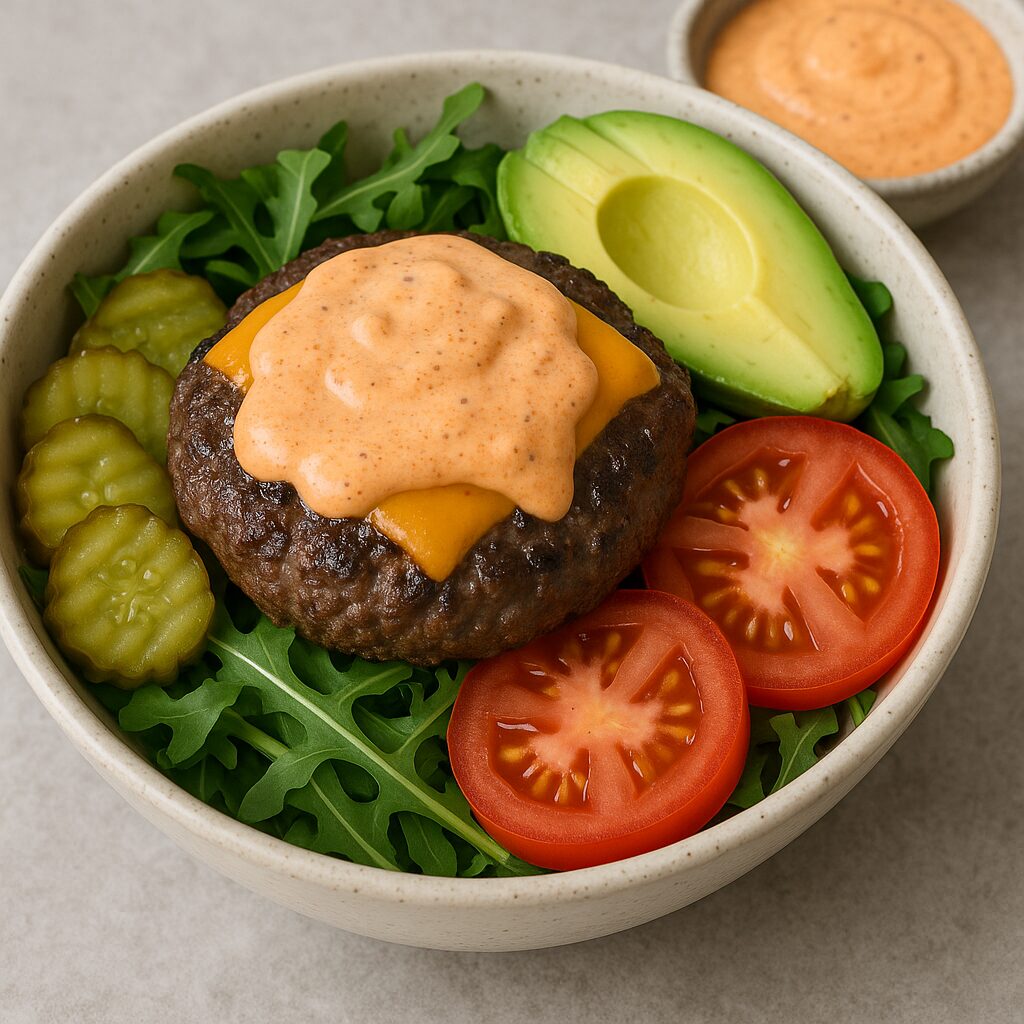
Bowl with a hamburger, tomato slices picles, lettuce and avacados.

What is a Low FODMAP Diet, and When Would You Need It?

FODMAPs are certain types of sugars and soluble fibers that ferment in the gut and feed the gut microbiome. This becomes a problem when there is an overgrowth of harmful bacteria that also thrive on these sugars and fibers. Following a low FODMAP diet essentially starves all bacteria in the gut. When used alongside specific herbs that act like natural antibiotics, this approach helps clear out the harmful bacteria, making space for the gut to rebuild and repopulate with healthy bacteria.

Here’s what FODMAP stands for:

  • F – Fermentable
  • O – Oligosaccharides (e.g., fructans found in onions, garlic, and wheat)
  • D – Disaccharides (e.g., lactose found in milk)
  • M – Monosaccharides (e.g., excess fructose in apples, honey)
  • A – And
  • P – Polyols (e.g., sorbitol and mannitol found in sugar-free foods and stone fruits)

So, Who Is This Diet For?

The low FODMAP diet is mainly designed for people with:

  • IBS (Irritable Bowel Syndrome)
  • SIBO (Small Intestinal Bacterial Overgrowth)
  • Unexplained bloating, gas, abdominal pain, or irregular bowel movements

This diet isn’t meant to be followed forever. It consists of three phases and is typically completed over the course of a few months. It’s widely studied and considered the gold standard for managing IBS and SIBO symptoms. However, it’s not a one-size-fits-all solution.

Some newer diets are emerging, like the NICE diet, which may be easier to follow. It focuses on eating patterns, cuts out only nine specific foods or food components, and encourages fiber intake.

As always, consult with your healthcare provider or dietitian to determine what approach is best for you. If you are someone who may be struggling with IBS or SIBO, but unsure of where to start or eat, book a connection call with us here at Simply Wellness and get tailored dietitian advice.

Bowl with a hamburger, tomato slices picles, lettuce and avacados.

Total time: 1 hour

Servings: 2

Ingredients:

For burgers:

  • 1-pound Grass-fed ground beef
  • 1 tsp salt
  • 1 tsp smoked paprika
  • 1 tsp black pepper
  • 1 tbsp apple cider vinegar
  • Sharp cheddar cheese (aged at least 6 months)

Toppings in the bowl:

  • Pickles pickled in vinegar (not fermented) and without garlic/ onion
  • 1 cup arugula
  • 1 avocado
  • 1 small tomato

Burger Sauce:

  • ½ cup avocado mayo
  • 1 tsp Dijon mustard
  • 1 tsp smoked paprika
  • Juice from half a lemon
  • ½ tsp salt
  • 1 tsp apple cider vinegar

Directions:

  • In a bowl, mix the ground beef with, 1tsp salt, 1 tsp smoked paprika, 1 tsp black pepper, and 1 tbsp apple cider vinegar.
  • Form the burgers into patties, and grill or cook in a pan on the stove. Cook on one side for around 5 min and flip over the burger patty. Cut a slice of cheese to melt on top while the other side cooks.
  • Cook the beef to 145 degrees Fahrenheit to 165 degrees Fahrenheit.
    • Depending on how you like your burgers done.
  • While the burgers are cooking, slice up the tomato, pickles, and avocado.
  • In a small bowl, mix, ½ cup avocado mayo, 1 tsp Dijon mustard, 1 tsp smoked paprika, Juice from half a lemon, ½ tsp salt, 1 tsp apple cider vinegar. Mix until combined well. Taste and adjust based on what is needed.
  • Assemble the bowls by placing a handful of arugula at the base of the bowl, placing your desired toppings, placing the burger on top of the lettuce, and then topping with the dressing.

Just released

A2 milk from a glass jar being poured into a clear glass

If regular milk makes your stomach hurt, lactose may not be the culprit. Let me break it down.

Lactose is a sugar found in dairy products, and different dairy products contain varying amounts of lactose. When dairy is fermented, like in yogurt or cheese, the microbes digest the sugars and produce a sour, fermented taste. That’s why it’s important to choose cheeses aged for 3–6 months; this aging allows time for full fermentation. Similarly, finding yogurt that is truly fermented can be tricky, but often you’ll see probiotics listed in the ingredient label, which is a good sign.

If you find you can handle cheese and yogurt but not milk, you might be sensitive to lactose.


But some people react to all types of dairy—milk, cheese, yogurt, kefir, everything.

This is often due to sensitivity to the proteins in milk. Milk contains many proteins, but the two primary ones are whey (about 20%) and casein (about 80%). Some people are more sensitive to whey, others to casein.

To explain casein further, casein is the building block of milk and plays a major role in forming cheese. There are four main types of casein:

  • Alpha-S1 casein: the most common casein type in cow’s milk
  • Alpha-S2 casein: present in smaller amounts
  • Beta-casein: includes the famous A1 and A2 variants, which are the center of much debate
  • Kappa-casein: keeps the other caseins from clumping too soon until cheese-making begins

Now, let’s dive deeper into the A1 vs. A2 casein story:

A1 beta-casein is most commonly found in cow’s milk. It originated from a natural genetic mutation in European dairy cows thousands of years ago. This mutation changed one amino acid from proline to histidine, which is a small but significant change that affects how the protein is digested.

During digestion, A1 beta-casein can lead to the release of a peptide called BCM-7, which is thought to be linked to some digestive or inflammatory responses in sensitive individuals.

A2 beta-casein, on the other hand, is found in older cow breeds that still carry the original gene. Interestingly, goat, sheep, and even human milk contain only A2 beta-casein. A2 beta-casein does not produce BCM-7, which can cause gut discomfort, bloating, and gas.

Some human studies have shown that people who experience discomfort with regular milk often have fewer symptoms when consuming A2 milk. Smaller studies also suggest reduced inflammation markers or improved gut transit time with A2 compared to A1. However, research is still emerging, and everyone tolerates milk differently.

Since A2 beta-casein is more similar to the protein in human breast milk, it’s reasonable to assume it may be easier to digest—but remember, some people have sensitivities to lactose, whey, or alpha-casein regardless. The best approach is to try different dairy options and listen to your body.

Chart of Myths vs. Truths of A2 Milk

Myth-Busting Section:

Myth #1: A2 milk is lactose-free

Truth: Lactose is a sugar, while A2 refers to a type of protein (beta-casein) in milk. They are not the same. The only way to remove lactose is through fermentation or lactose extraction.


Myth #2: A1 casein only appears in milk because cows are grain-fed

Truth: The A1 vs. A2 difference is due to cow genetics, not diet. The mutation happened naturally thousands of years ago. While many high-yield dairy breeds like Holsteins (often grain-fed) carry the A1 gene, diet does not create the gene.


Myth #3: A2 milk is a modern invention

Truth: A2 is actually the original form of beta-casein, found in older cow breeds, goats, sheep, and even human breast milk.


Myth #4: A2 milk cures inflammation and gut issues because it contains more omega-3s

Truth: A2 milk is not automatically higher in omega-3 fatty acids. The A2 label refers only to the casein protein type, not fat content or quality. Omega-3 levels depend largely on the cow’s diet. Grass-fed cows produce milk with higher omega-3s and a better omega-6:omega-3 ratio, which can reduce inflammation.

Thinking about trying A2 milk?

Have you avoided cow’s milk for years but are starting to wonder if it might actually work for you now? I get it, I was that person too ??‍♀️. All through college, I swore by oat and almond milk because I thought they were the healthier choice. Now? I’m in my raw milk is a superfood era, and loving it.

It’s not that plant-based milks are bad, but cow’s milk has gotten a bad rap for a long time, and it’s finally starting to make a comeback in the wellness world. The truth is: we’re all different, and our bodies respond differently to dairy.

That’s why at Simply Wellness, we offer DNA testing to help you understand exactly how your body processes lactose. No more guessing, no more trial and error—just personalized insights to help you feel energized, less bloated, and confident in your food choices.

Ready to get to the root of your inflammation and start feeling like yourself again? Let’s figure out what works best for your body, together.